Upper GI Endoscopy
Understanding Upper GI Endoscopy
What is Upper GI Endoscopy?
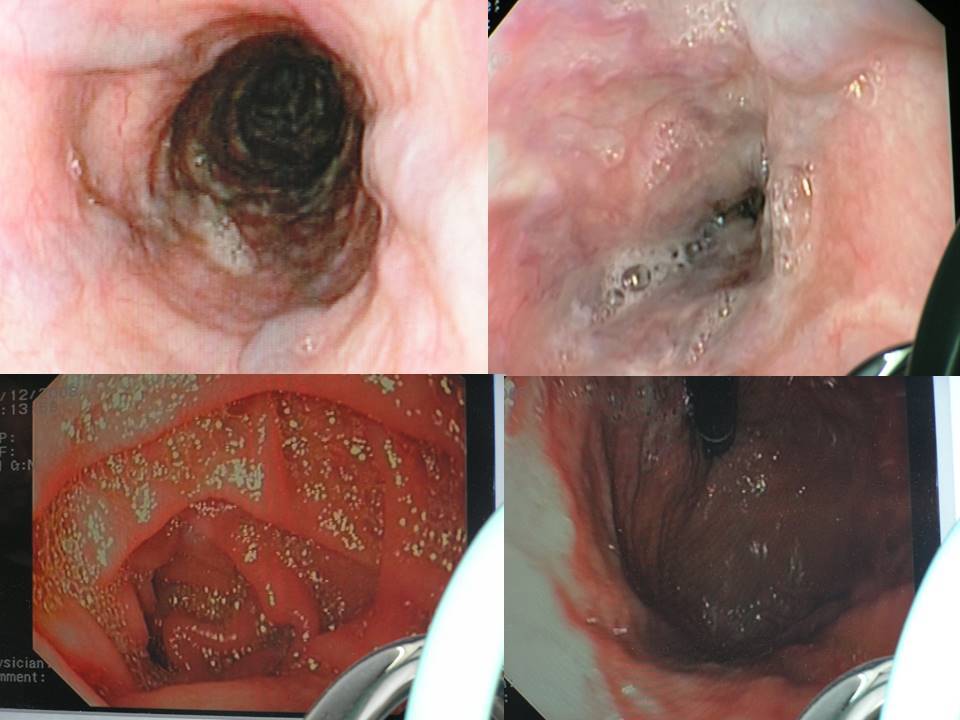
Upper GI endoscopy, also known as esophagogastroduodenoscopy (EGD), is a safe and effective procedure that allows your doctor to look inside your upper gastrointestinal (GI) tract at Apollo Endoscopy & Robotic Obesity Centre, Mumbai. This includes your food pipe (esophagus), stomach, and duodenum (the first part of your small intestine). The procedure uses a thin, flexible tube called an endoscope, which has a light and camera on the end.
Why is Upper GI Endoscopy Performed?

Upper GI endoscopy is performed for several reasons, including:
- Diagnosis: To identify issues such as inflammation, ulcers, tumors, or blockages in the upper GI tract.
- Therapeutic Treatment: It can also be used to treat certain conditions, making it a versatile option.
- Monitoring: To keep track of existing GI conditions, like Barrett’s esophagus or chronic gastritis.
Diagnostic Applications
During an upper GI endoscopy, your doctor can diagnose various conditions, including:
-
Gastroesophageal Reflux Disease (GERD): Checking for damage to the food pipe (esophagus) from acid reflux.
- Ulcers: Finding peptic ulcers in your stomach or duodenum.
- Tumors: Assessing both benign and malignant growths.
- Esophagitis: Diagnosing inflammation of the food pipe (esophagus).
- Strictures: Identifying narrowing of the food pipe (esophagus) that can make swallowing difficult.
If needed, Dr. Naresh Singhi may take biopsies during the procedure to examine any suspicious areas more closely. This can help diagnose conditions like celiac disease or infections such as Helicobacter pylori.
Therapeutic Treatments
In addition to diagnosing conditions, upper GI endoscopy can provide therapeutic treatments, including:
- Dilation: If you have strictures (narrowing) in your esophagus, the endoscope can help widen it for easier swallowing.
- Polypectomy: If polyps are found, they can be safely removed using specialized tools.
- Control of Bleeding: For bleeding from ulcers or tumors, the endoscope can be used to apply treatments like cauterization or band ligation.
- Stent Placement: If there’s a blockage, your doctor can place a stent to keep the passage open.
- Injections: Some treatments involve injecting medication directly into affected areas.
- Percutaneous Endoscopy Gastrostomy (PEG): In certain cases, a PEG tube can be placed through the abdominal wall to provide nutrition to patients who cannot eat by mouth.
- Endoscopy Retrograde Cholangiopancreatography (ERCP): This procedure combines endoscopy and fluoroscopy to diagnose and treat conditions affecting the bile ducts and pancreatic duct, such as stones or strictures.
- Foreign Body removal.
Book your Appointment
Transform your life with Apollo Endoscopy & Robotic Obesity Centre.
Preparing for Your Procedure
To ensure a smooth procedure, here’s what you need to know:
- Fasting: You will need to fast for at least 6-8 hours before the endoscopy, so your stomach is empty.
- Medication Review: Inform your doctor about any medications you’re taking, as some may need to be adjusted temporarily.
What to Expect During the Procedure
- Sedation: Most patients receive Mouth sprays (Local sedatives) to help them feel relaxed and comfortable.
- Insertion: The doctor will gently insert the endoscope through your mouth and guide it down into your food pipe (esophagus), stomach, and duodenum.
- Visualization: The camera sends real-time images to a monitor, allowing your doctor to assess your GI tract.
- Interventions: If needed, your doctor can perform procedures like biopsies or other therapeutic treatments right away.
Post-Procedure Care
After the endoscopy, you’ll be monitored in a recovery area until the sedation wears off. It’s common to have a sore throat or feel bloated for a short time afterward, but these symptoms typically resolve quickly. Because of the sedation, it’s important to have someone drive you home.
Risks and Complications
Upper GI endoscopy is generally safe, but, like any procedure, it carries some risks, including:
- Bleeding
- Infection
- Adverse reactions to sedation
Conclusion
Upper GI endoscopy is a valuable procedure for diagnosing and treating a wide range of gastrointestinal conditions. If you’re experiencing digestive issues or have concerns about your GI health, consulting with an experienced specialist is essential. Dr. Naresh Singhi, recognized as the best endoscopist in Mumbai, can provide you with expert care and guidance. As a leading GI specialist in Mumbai, he offers personalized treatment options tailored to your needs. Contact Apollo Endoscopy & Robotic Obesity Centre today to schedule your consultation with the best GI surgeon in Mumbai. Your health is our priority!
Book an Appointment
Apollo Endoscopy & Robotic Obesity Centre
Book an Appointment
